

Stem Cells
What is a Stem Cell?
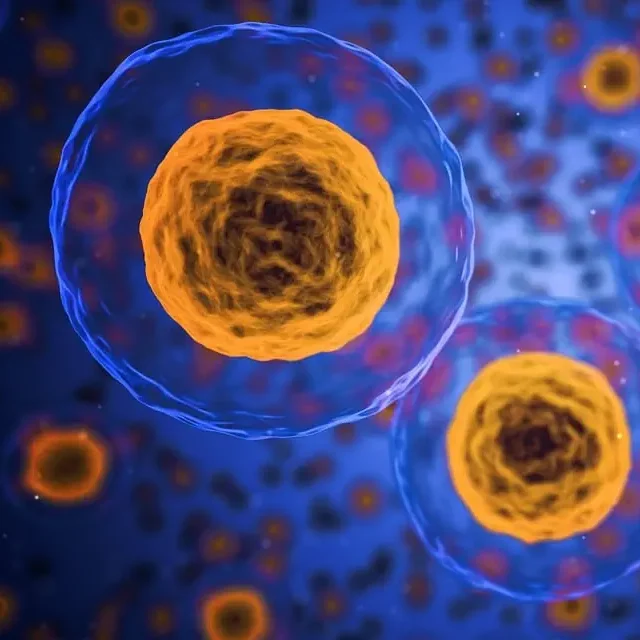
Stem cells are cells with the potential to develop into many different types of cells in the body and hold immense potential for treating a variety of conditions and advancing regenerative medicine.
Cord Blood Stem Cells
Cord blood stem cells are collected from the blood within a newborn's umbilical cord immediately after birth.
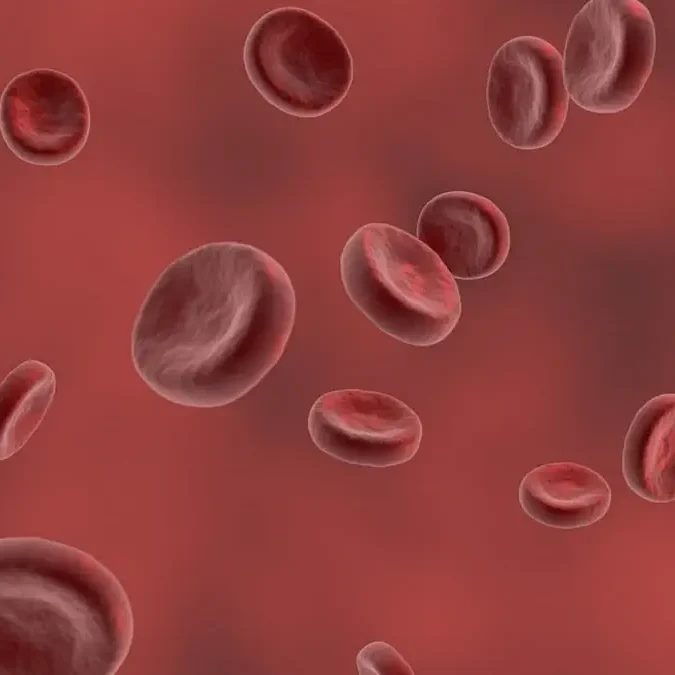
Hematopoietic stem cells (HSCs) can develop into various types of blood cells and are used in treating over 80 medical conditions including immune deficiencies, and certain cancers (e.g., leukemia, lymphoma)... They can also be used to replenish healthy blood cells after chemotherapy or radiation.
Less chance of rejection in transplants (high match rate).
Cord Tissue Stem Cells
Cord tissue stem cells are collected from the umbilical cord itself.
Cord tissue contains mesenchymal stem cells (MSCs), which are being researched for treating conditions like stroke, heart disease, and autism.
Advances in medical research may unlock new uses for cord tissue, making it a valuable addition to your stored biological resources.
CORD BLOOD IS SUPERIOR TO BONE MARROW
Higher Match Success
Cord Blood is more likely to benefit patients even with partial matches reducing the risk of rejection.
Lower risk of complications
It carries a lower risk of graft-versus-host disease compared to bone marrow stem cells.
No perfect match required
Cord blood can be used when a perfect bone marrow match isn't available, making it more accessible for patients in need.
CORD BLOOD
Umbilical cord blood is special and only available immediately after childbirth. It contains hematopoietic stem cells (HSCs) that can develop into various blood and immune cells. Cord blood is FDA approved to treat over 80 blood-related diseases, immune disorders, and cancers such as leukemia and lymphoma.
Collecting cord blood at birth is a simple, painless process, ensuring families have a genetically compatible, readily available source of powerful stem cells that could be valuable for future therapies and regenerative medicine.


CORD TISSUE
Umbilical cord tissue is a rich source of mesenchymal stem cells (MSCs) that can develop into various tissue types like bone, cartilage, and muscle. Cord tissue stem cells offer potential in treating diverse conditions, including joint injuries, heart disease, and autoimmune disorders.
Collecting and storing MSCs at birth provides families with a valuable, regenerative resource that may be used in future therapies and emerging medical treatments. This process is safe, painless, and ensures a unique, readily available stem cell source.